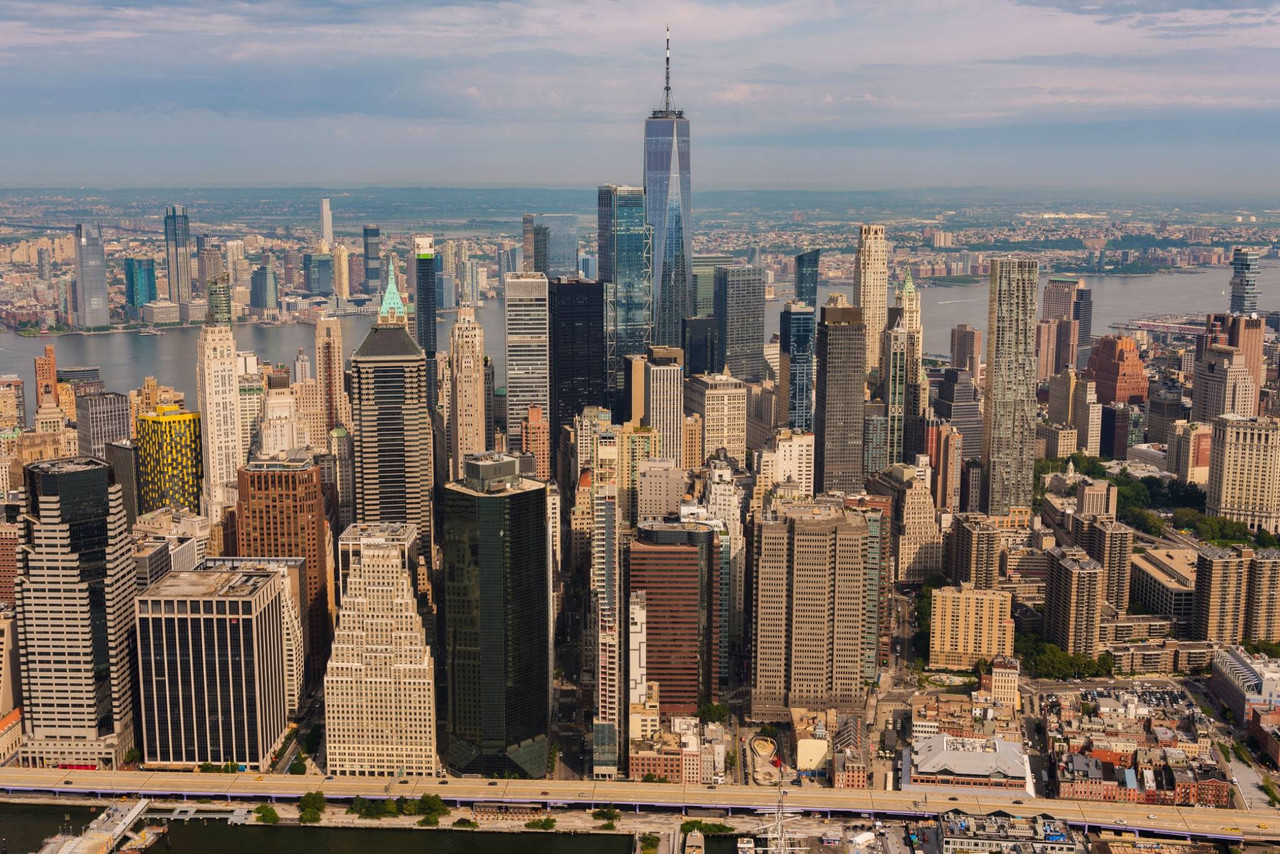
Tribeca
Cast-iron scale, loft conversions, cobblestone texture, discreet luxury, and family-friendly downtown living.
Downtown · Loft
Neighborhood Guides
A curated, design-aware guide to New York City neighborhoods, boroughs, architecture, housing stock, lifestyle, and long-term real estate value.
Contact KathrynLocal Lens
The best New York neighborhood decisions come from reading the city at multiple scales: borough, neighborhood, avenue, block, building, and floor plan. A home can live very differently depending on light, transit, streetscape, parks, restaurants, schools, preservation, and architectural context.
Kathryn helps clients compare neighborhoods through the lens of design, lifestyle, housing stock, and long-term value — not just price range or commute time.
Interactive Index
Use the filters below to quickly narrow the guide. Each card is built to give a fast read on what the neighborhood is known for and what type of buyer or seller it may suit.
Cast-iron scale, loft conversions, cobblestone texture, discreet luxury, and family-friendly downtown living.
Downtown · Loft
Cast-iron buildings, gallery history, shopping, loft living, and a highly recognizable architectural identity.
Downtown · Cast-Iron.jpg)
Intimate streets, townhouses, pre-war co-ops, restaurants, charm, and one of Manhattan’s most emotional markets.
Townhouse · Village.jpg)
Boutique scale, landmark architecture, creative lofts, and a quieter bridge between downtown neighborhoods.
Loft · Boutique.jpg)
Galleries, townhouses, condos, High Line access, and a flexible mix of downtown and west side energy.
Galleries · West Side.jpg)
Classic pre-war apartments, Central Park, Riverside Park, cultural access, and a warm residential rhythm.
Pre-War · Parks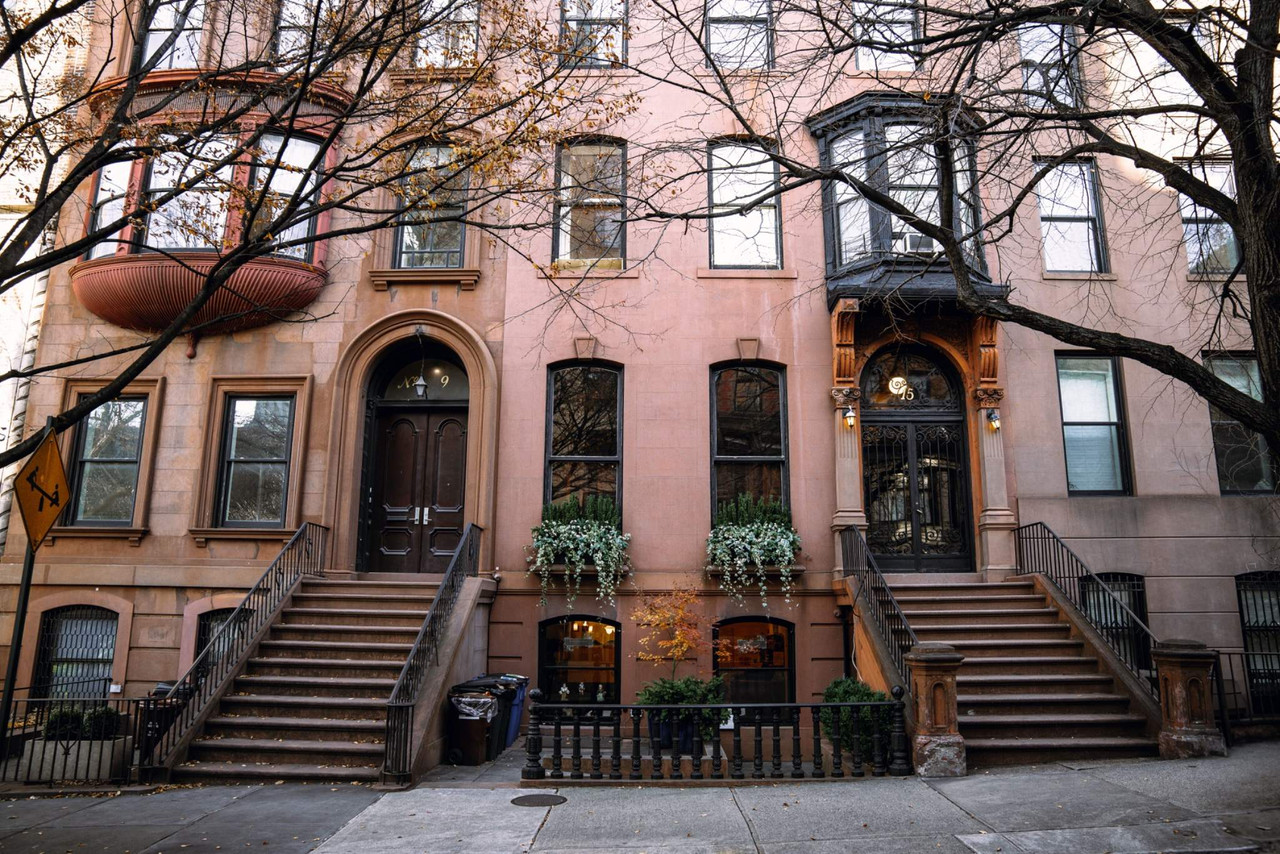
Townhouses, full-service co-ops, Museum Mile, Madison Avenue, and refined established Manhattan living.
Townhouse · Service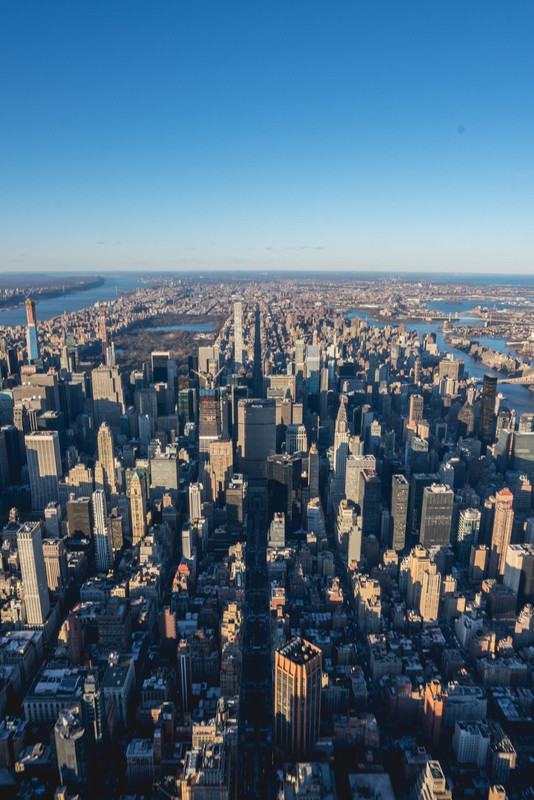
Historic brownstones, larger scale, cultural depth, architectural beauty, and strong neighborhood identity.
Brownstone · Culture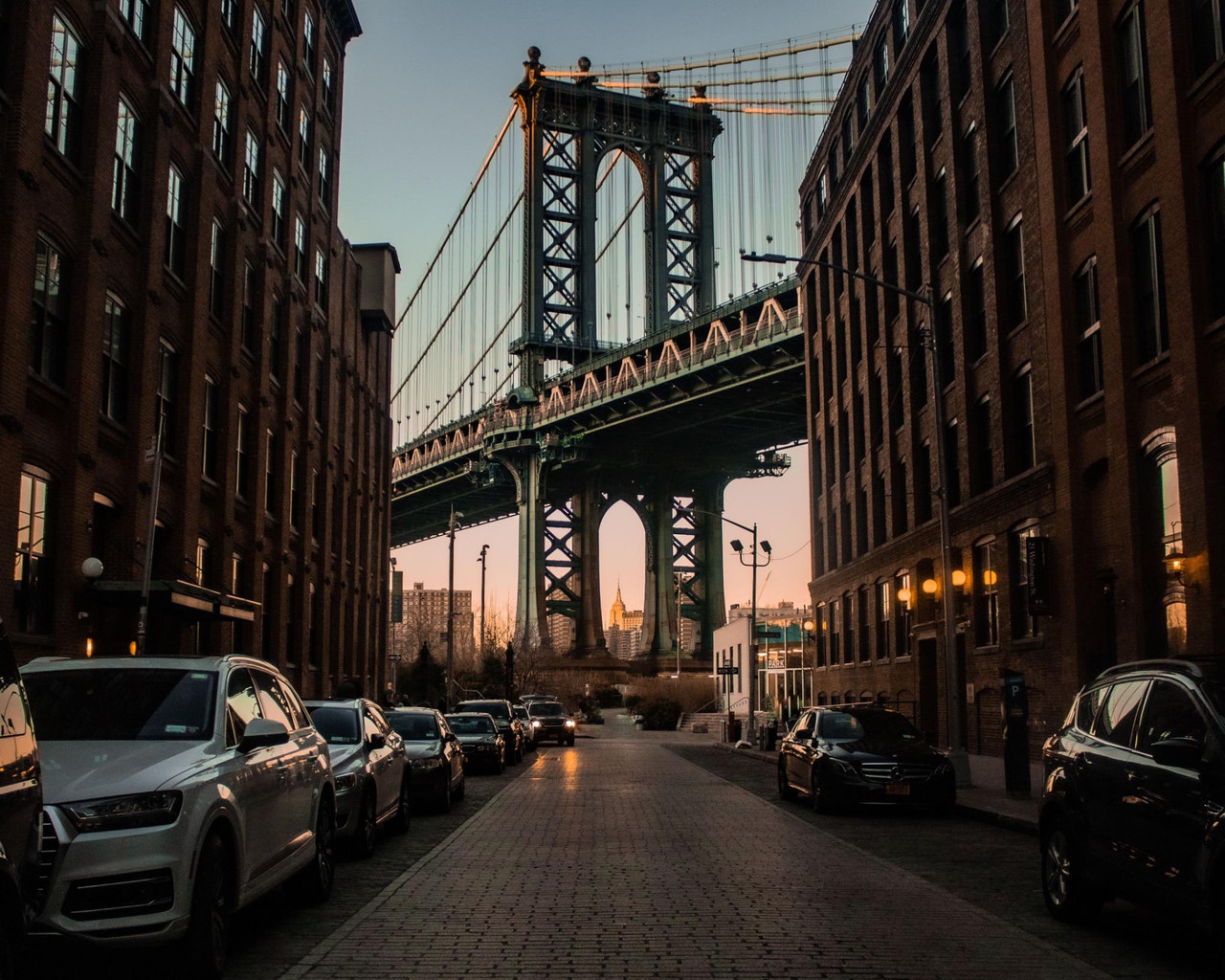
Promenade views, historic streets, townhouses, co-ops, and a village-like residential elegance.
Historic · Waterfront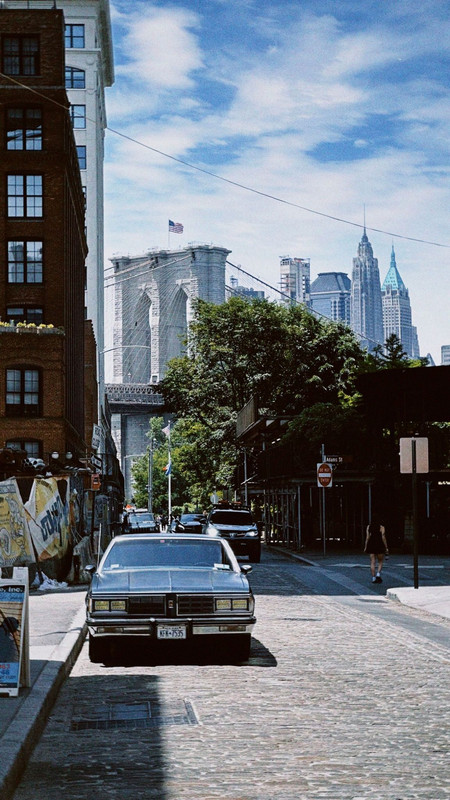
Brownstone blocks, neighborhood shops, intimate scale, and the kind of charm that feels lived-in.
Brownstone · Local.jpg)
Townhouses, design shops, restaurants, transit access, and a polished but still residential Brooklyn feel.
Townhouse · Design.jpg)
Prospect Park access, brownstones, families, community rhythm, and classic Brooklyn residential appeal.
Park · Brownstone.jpg)
Waterfront views, converted industrial buildings, loft scale, and dramatic architecture near the bridges.
Waterfront · Loft-2.jpg)
Creative energy, waterfront condos, converted spaces, restaurants, and a strong lifestyle-driven market.
Waterfront · Creative.jpg)
Waterfront towers, skyline views, transit convenience, modern condos, and rapid access to Manhattan.
Queens · Views.jpg)
Neighborhood restaurants, pre-war buildings, rowhouses, cultural mix, and a strong local identity.
Queens · Local.jpg)
Garden-style living, Tudor influence, larger apartments, green streets, and a calmer residential feel.
Queens · Garden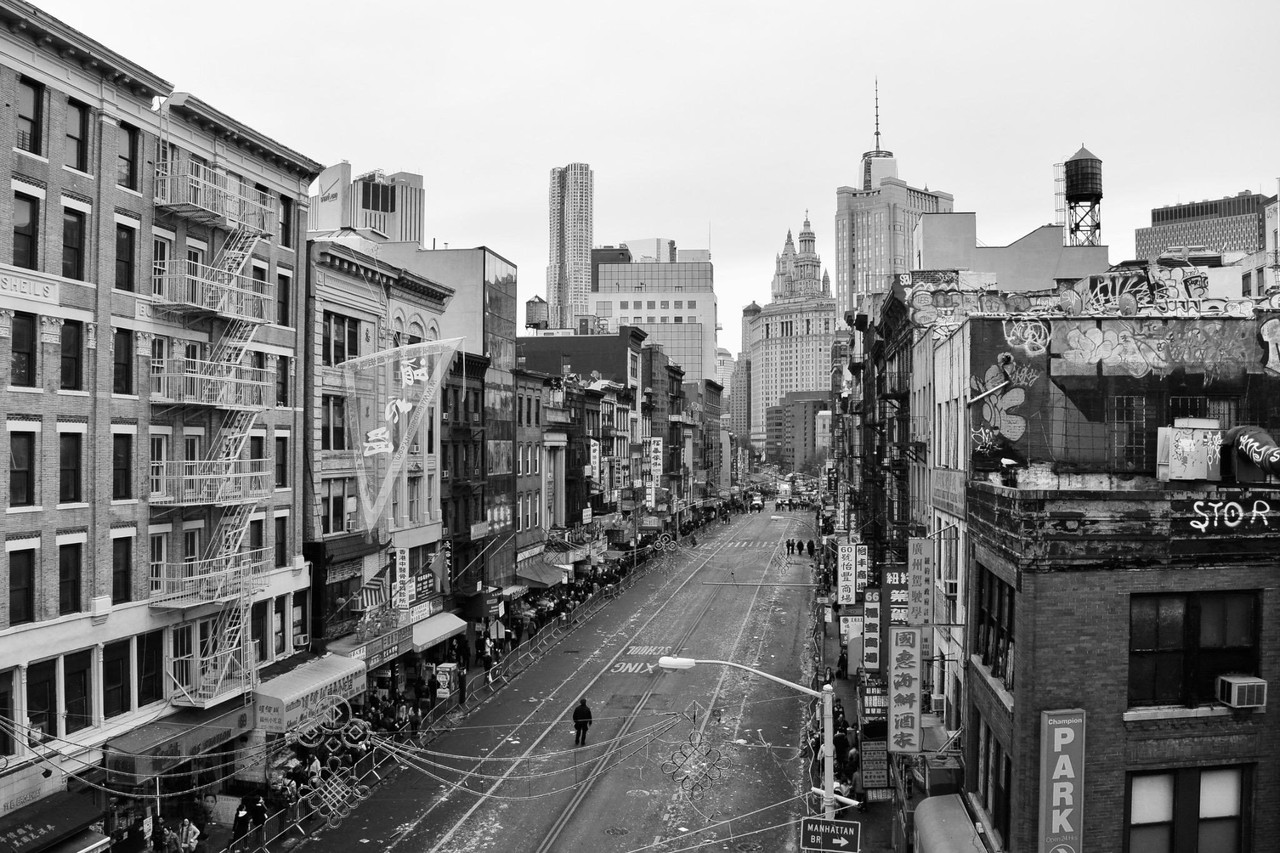
Green space, larger homes, co-ops, river views, and a quieter residential alternative within the city.
Bronx · Green
Historic architecture, loft-style spaces, newer development, and growing interest near the Harlem River.
Bronx · Historic.jpg)
Detached homes, waterfront pockets, more space, historic districts, and a different pace within NYC.
Space · WaterfrontDensity, convenience, pre-war co-ops, luxury condos, townhouses, cultural institutions, and the strongest concentration of architectural variety.
Brownstones, townhouses, lofts, waterfront condos, neighborhood texture, larger layouts, and a highly lifestyle-driven market.
Diversity, value, larger apartments, strong restaurant culture, waterfront towers, garden neighborhoods, and transit-connected pockets.
Historic districts, green space, river views, co-ops, townhouses, and neighborhoods with meaningful architectural depth.
More space, detached homes, waterfront areas, historic enclaves, and a quieter residential rhythm within New York City.
How to Compare
The right neighborhood should support the home, the lifestyle, and the long-term value story.
Some neighborhoods are strongest for pre-war co-ops, others for brownstones, lofts, new developments, or townhouses. The type of home you want should help narrow the map.
Restaurants, parks, transit, schools, retail, museums, noise, and evening energy can change how a home feels every day.
In New York, two blocks in the same neighborhood can have completely different light, traffic, architecture, and resale appeal.
Architectural scarcity, building quality, renovation flexibility, transit access, and neighborhood identity all influence long-term demand.
Connect with Kathryn Rotella for thoughtful guidance across New York City's neighborhoods, architecture, and real estate opportunities.
Begin the Conversation